
Chelow with Tahdig
Persian saffron rice with a golden crust · چلو با تهدیگ
- 20 min Prep
- 1 h 10 min Cook
- 6 Servings
- Medium
Fluffy, separate grains of steamed basmati crowned with saffron, plus the crisp golden crust from the bottom of the pot that everyone fights over.
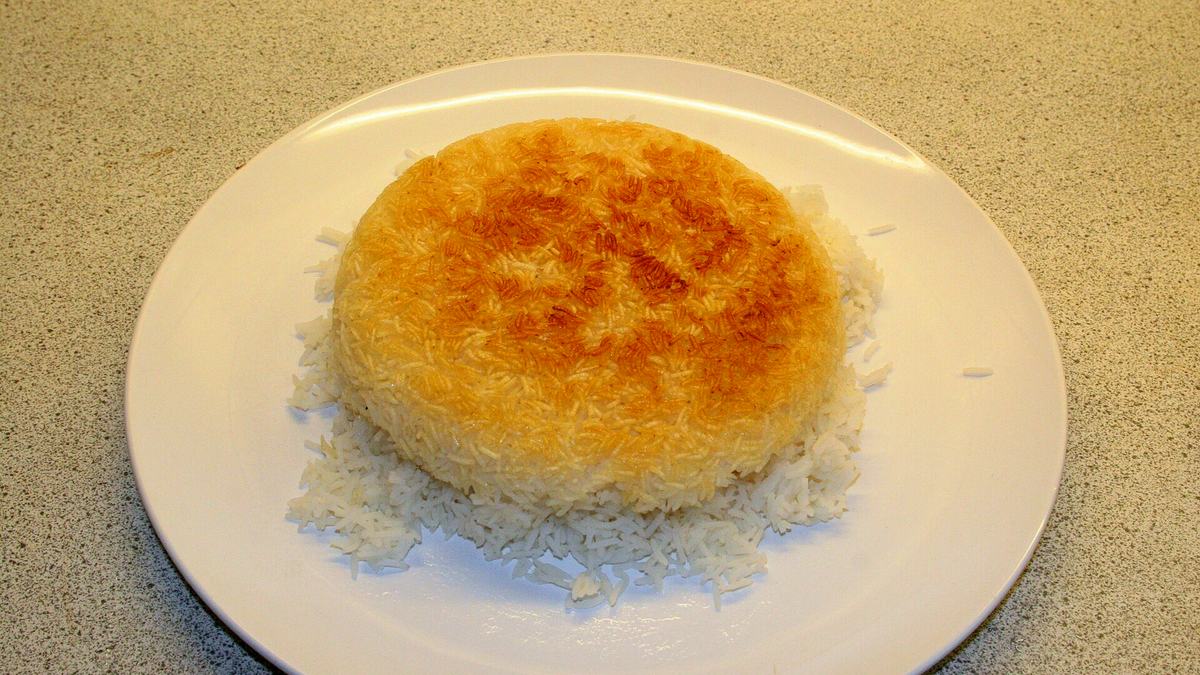
Chelow is the plain steamed rice that every Persian stew is served with, and tahdig (literally the bottom of the pot) is its crisp, golden crust. The method is the same in every Iranian kitchen: soak, parboil, drain, then steam slowly in a pot with a towel under the lid to catch the condensation.
The result should be long, separate grains that are tender all the way through. The tahdig can be plain rice, rice mixed with yogurt and saffron, thin potato slices or flatbread; this recipe gives the classic rice-and-yogurt version.
Ingredients
Rice
Tahdig
Instructions
- Rinse the rice in cool water 4 or 5 times, rubbing gently, until the water runs almost clear. Cover with fresh water, stir in 2 tablespoons of salt and soak for 2 to 6 hours.
- Bring the 3 litres of water and the remaining salt to a rolling boil in a large non-stick pot. Drain the rice and add it. Boil for 5 to 8 minutes, stirring gently once or twice, until the grains are soft outside but still have a firm core when bitten.
- Drain the rice in a colander and rinse it briefly with lukewarm water to wash off the excess salt and starch.
- Rinse and dry the pot. Add the oil and 2 tablespoons of water. In a bowl, mix 2 large spoonfuls of rice with the yogurt and a tablespoon of the saffron water, and spread it evenly over the bottom of the pot, pressing it down.
- Spoon the rest of the rice on top in a loose cone without pressing. Poke 4 or 5 holes to the bottom with the handle of a wooden spoon so steam can escape.
- Cook uncovered on medium-high heat for 8 to 10 minutes, until you hear a steady sizzle and see steam rising. Dot the butter over the rice.
- Wrap the lid in a clean kitchen towel (keep the corners well away from the flame), cover tightly and cook on the lowest heat for 45 to 50 minutes.
- Mix a few spoonfuls of cooked rice with the remaining saffron water. Spoon the plain rice onto a platter, scatter the saffron rice over it, then turn out or lift the tahdig in pieces and serve it alongside.
Tips & variations
- Aged Persian or Indian basmati gives the longest grains. Soaking longer makes the grains stretch more, so avoid over-boiling soaked rice.
- For potato tahdig, lay 3-mm potato slices in the oiled pot instead of the yogurt rice. For bread tahdig, use a round of thin lavash.
- If the tahdig sticks, set the pot on a cold, damp towel for 2 minutes before turning it out.
Frequently Asked Questions
Why is my Persian rice mushy?
It was boiled too long before draining. Test a grain after 5 minutes: it should bend without breaking and still have a firm white centre.
Can I make tahdig in a rice cooker?
Persian rice cookers (Pars and similar brands) make a good tahdig: oil the bowl, add soaked rice, water and salt, and leave it on the tahdig setting for an extra 30 to 60 minutes.
Where to buy the ingredients
Persian grocers carry the saffron, dried herbs, spices and long-grain rice that Persian cooking depends on:
Rather eat out?
Persian restaurants that serve it:
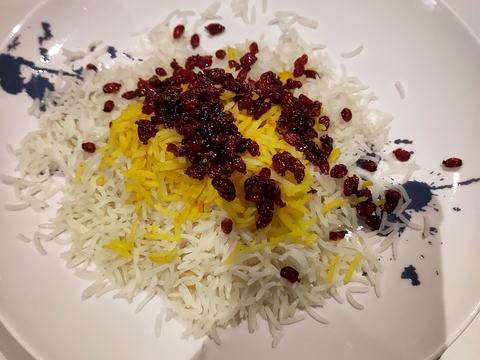 Zereshk Polo ba Morgh
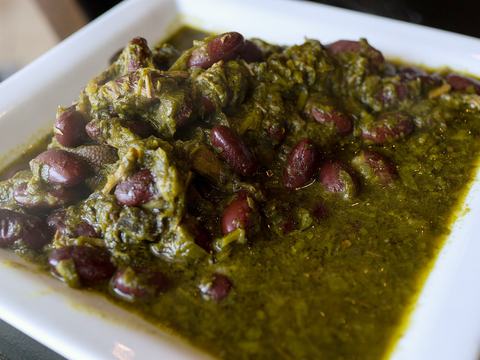 Ghormeh Sabzi
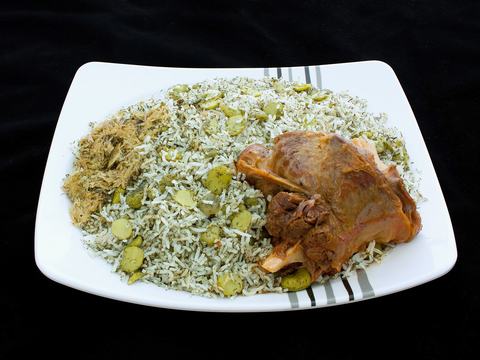 Baghali Polo ba Mahicheh