
Abgoosht (Dizi)
Lamb, chickpea and potato stew eaten in two courses · آبگوشت (دیزی)
- 20 min Prep
- 4 h Cook
- 6 Servings
- Medium
Lamb, chickpeas, beans, potatoes and tomatoes simmered for hours; the broth is eaten with bread, then the rest is pounded into a hearty mash.
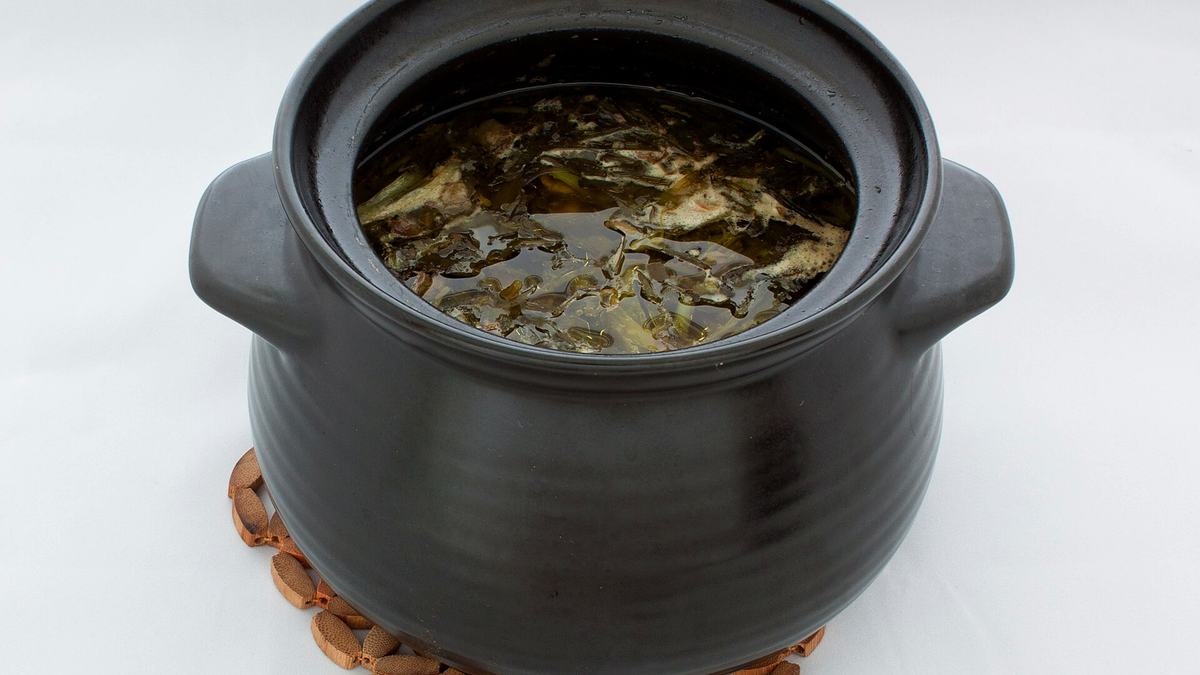
Abgoosht, literally meat water, is the working people's feast of Iran. Cooked in individual stone pots it is called dizi, and eating it is a ritual: first the broth is poured over torn bread (tilit), then the meat, chickpeas and potatoes are pounded with a pestle into goosht-e koobideh and eaten with more bread, raw onion, herbs and pickles.
It needs a long, slow simmer and very little attention. Lamb shank and a little tail fat give the broth its body; this version uses shank alone.
Ingredients
Instructions
- Put the lamb, drained chickpeas and beans, onions, turmeric and water in a large pot. Bring to a boil and skim off the foam.
- Cover and simmer on very low heat for 2½ hours, until the meat is starting to come off the bone.
- Add the tomato paste, dried limes, potatoes, tomatoes, cinnamon and salt. Simmer for another hour until the potatoes are soft.
- Pick out the bones. Strain the broth into a bowl and keep it hot; put the meat, chickpeas, beans, potatoes and tomatoes in another bowl.
- First course: tear bread into bowls and pour the hot broth over it (tilit).
- Second course: pound the solids with a potato masher or pestle into a coarse, rustic paste (goosht-e koobideh). Season and eat with bread, raw onion, herbs and pickles.
Tips & variations
- A pressure cooker brings the cooking time down to about 1½ hours in total.
- Some cooks add a small piece of lamb tail fat (donbeh) with the meat for a richer broth.
Frequently Asked Questions
What is the difference between abgoosht and dizi?
They are the same dish. Dizi is the name of the clay or stone pot it is traditionally cooked and served in, one per person.
Where to buy the ingredients
Persian grocers carry the saffron, dried herbs, spices and long-grain rice that Persian cooking depends on:
Rather eat out?
Persian restaurants that serve it:
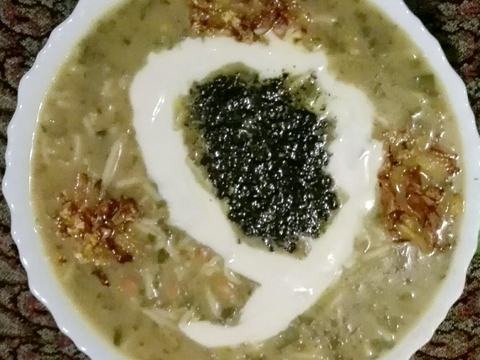 Ash Reshteh
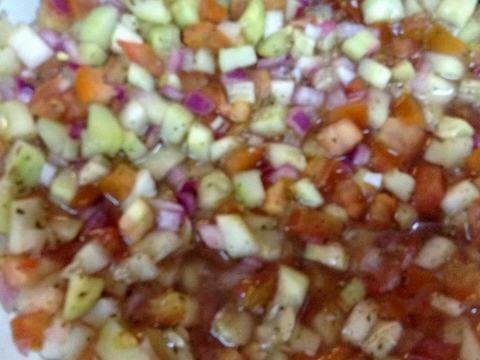 Salad Shirazi